Types of windbreak glass One of the most frequently asked questions is whether to choose tempered glass or laminated glass. The right type of glass makes a significant difference in terms of safety, sound insulation, durability, and budget. In this guide, we compare tempered and laminated glass, which are windbreak glass types, in all aspects and explain which is more suitable in which situation.
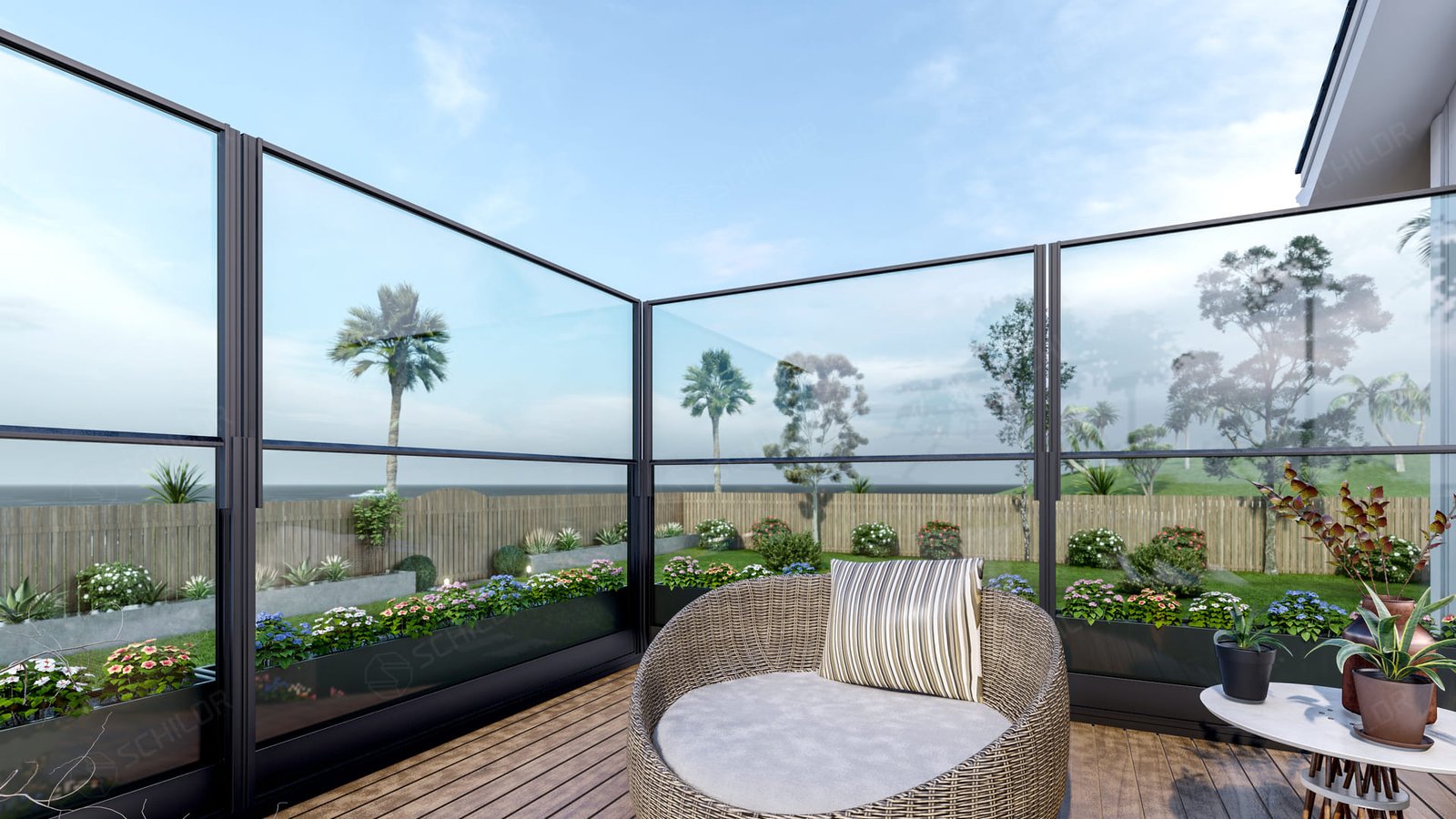
What is tempered glass?
Tempered glass is a type of safety glass whose durability has been increased through high-temperature treatment. It is much stronger than regular glass and, when broken, shatters into small, harmless particles instead of large, sharp pieces. This property makes it the most commonly used type of glass in windbreak systems. Its economic advantages and sufficient safety make it ideal for many projects.
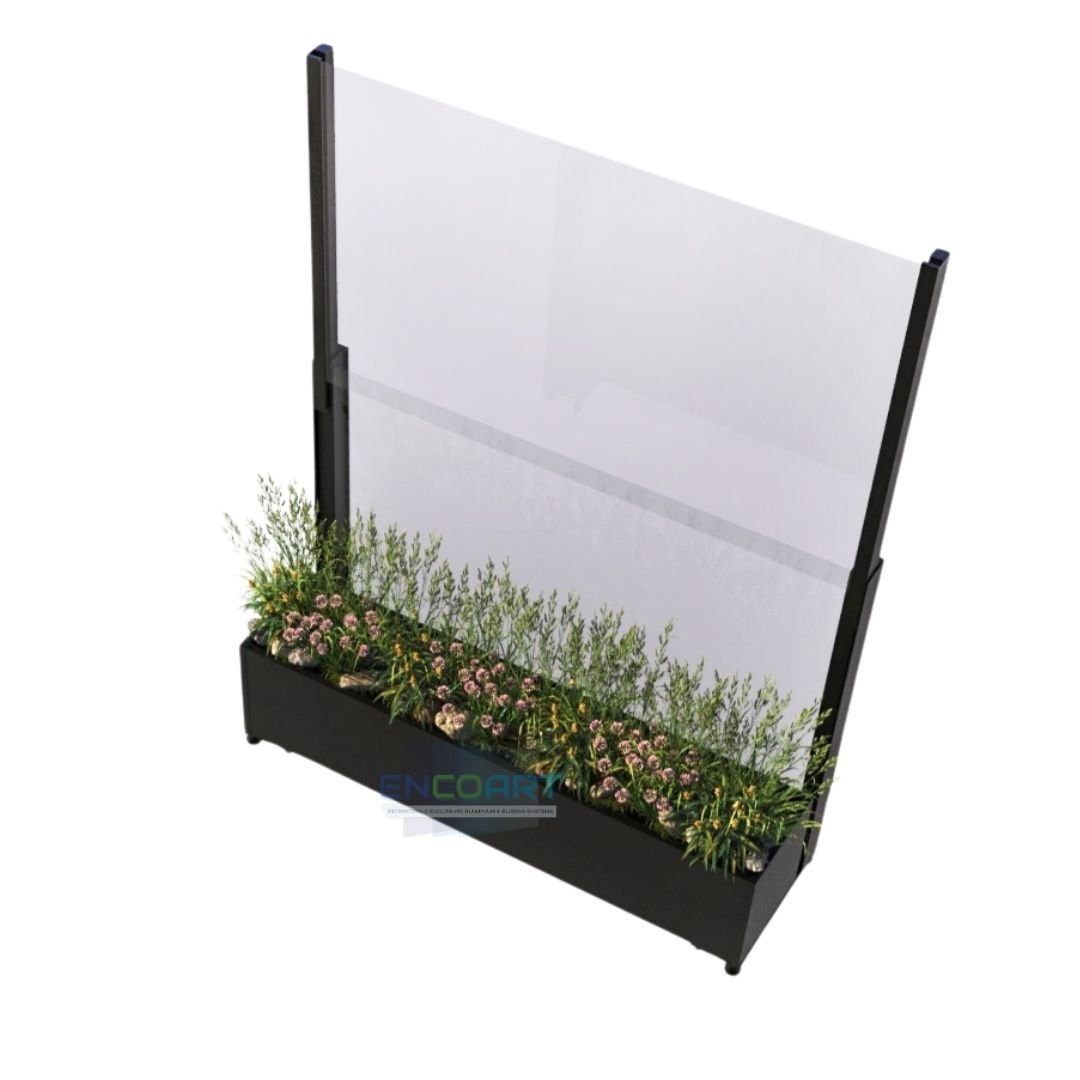
What is laminated glass?
Laminated glass is produced by bonding two or more layers of glass together with a special film (PVB). When broken, the fragments remain attached to the film and do not shatter, providing the highest level of safety. Laminated glass also offers superior sound insulation and UV protection compared to tempered glass. It is preferred in coastal areas, high-rise terraces, and projects requiring maximum safety.
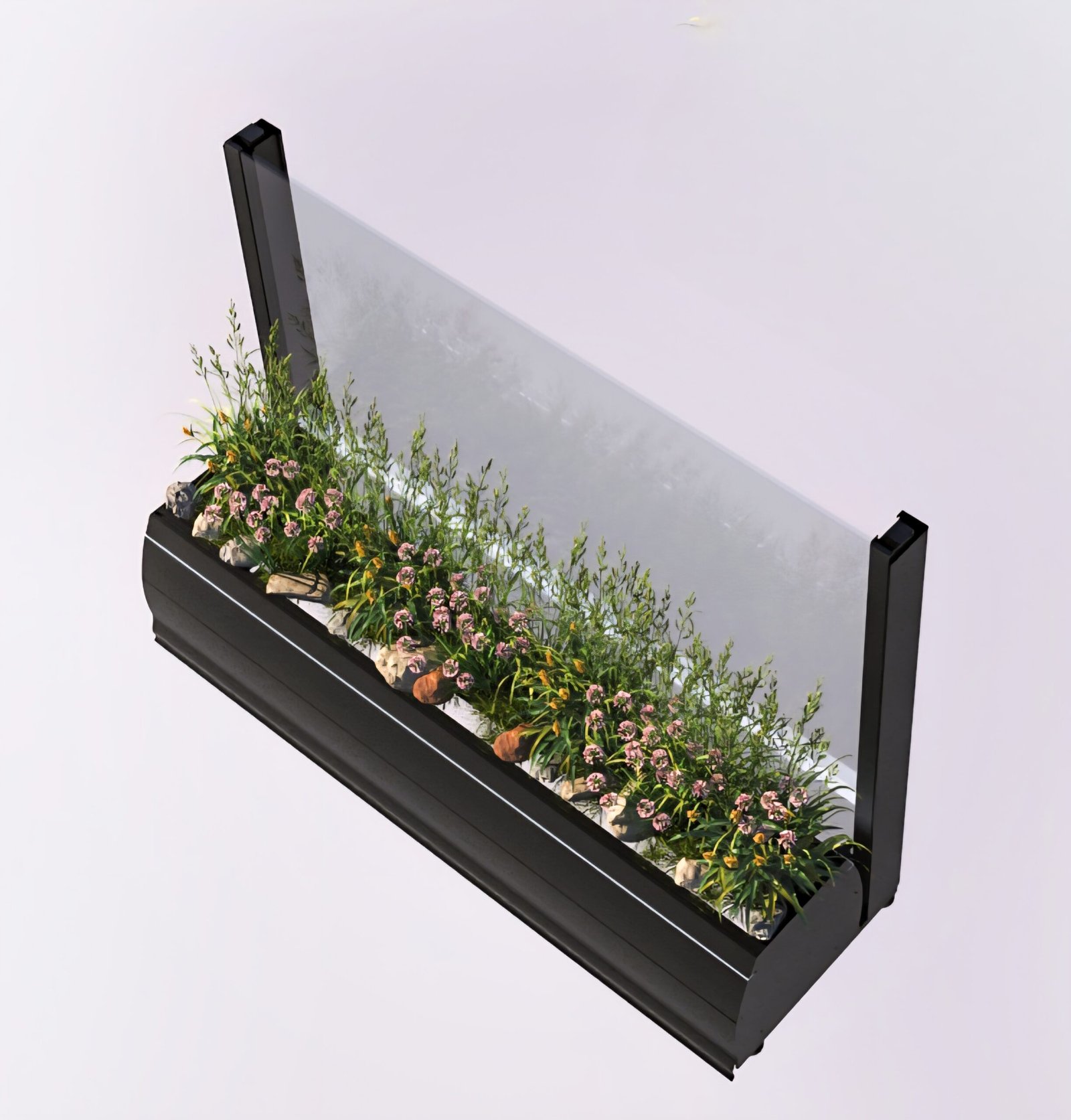
Tempered or Laminated? A Comparison
Both types of glass are safety glass; the choice depends on the priorities of the project. The comparison below will help you make the right decision.
- Security: Laminated glass is superior; it doesn't shatter into pieces when broken.
- Sound insulation: Laminated glass reduces noise better.
- UV protection: Laminated glass filters harmful rays.
- Cost: Tempered glass is more economical.
- Weight: Laminated glass is heavier, so the mechanism should be chosen accordingly.
- Prevalence: Tempered glass is the most commonly used type in standard projects.

Glass Thickness Selection
Windbreak glass types are not limited to just tempered-laminated; thickness is also important. Options start with entry-level 6/8 mm tempered glass and go up to 10 mm tempered, 4.4 mm or 5.5 mm laminated glass depending on the need. Thicker or laminated glass is recommended as the panel size increases and the safety requirement rises. The correct thickness is crucial for both durability and aesthetics.
Which Glass for Which Project?
For a standard cafe terrace or balcony, 8mm tempered glass is often sufficient. For a seaside restaurant, a high-rise terrace, or areas with children, laminated glass is a safer choice. Laminated glass also stands out in city center businesses where sound insulation is important. The best approach is to consider safety, comfort, and budget together when making a decision.
Effect of Glass Type on System Performance
The chosen glass type directly affects the overall performance of the windbreak glass system. Heavier laminated glass requires a mechanism (piston, counterweight, or motor) to be selected accordingly; otherwise, opening and closing may become difficult. Tempered glass, on the other hand, offers ease of use in manual systems due to its lightness. Both types of glass offer limited thermal insulation on their own; the main difference lies in the system's airtightness. Therefore, the choice of glass type should be considered holistically, along with the mechanism and profile quality.
Suggestions for Making the Right Choice
When choosing between different types of windbreak glass, first list your project's priorities: is safety, sound insulation, or budget the main focus? Laminated glass is more advantageous in the long run for high-traffic commercial areas and challenging climates. For residential balconies and standard cafe terraces, tempered glass is an economical and adequate solution. If you are undecided, getting expert advice by specifying the dimensions and intended use of your space will help you make the right investment.
Frequently Asked Questions
Which type of glass is safer for windbreak glass? Laminated glass is the safest option because it doesn't shatter into pieces when broken; tempered glass is also safety glass and sufficient for most projects.
Can tempered glass break? It is durable but can break upon hard impact; when broken, it shatters into harmless small pieces.
In summary, the choice between tempered and laminated windbreak glass types depends on your project's safety, comfort, and budget priorities. Both types of glass are safety glass; the important thing is to select the one that best suits your space and intended use, along with the correct thickness and mechanism.
To determine the most suitable glass type and model for your project windbreak glass models You can browse our page for other guides. blog You can browse our articles.




 Turkish
  English
  German
  Italian
  French
  Russian
  Arabic
  Spanish